
Saphalata
The Saphalata Difference
Every investment strategy at Saphalata is governed by four immutable principles.
Principle 01
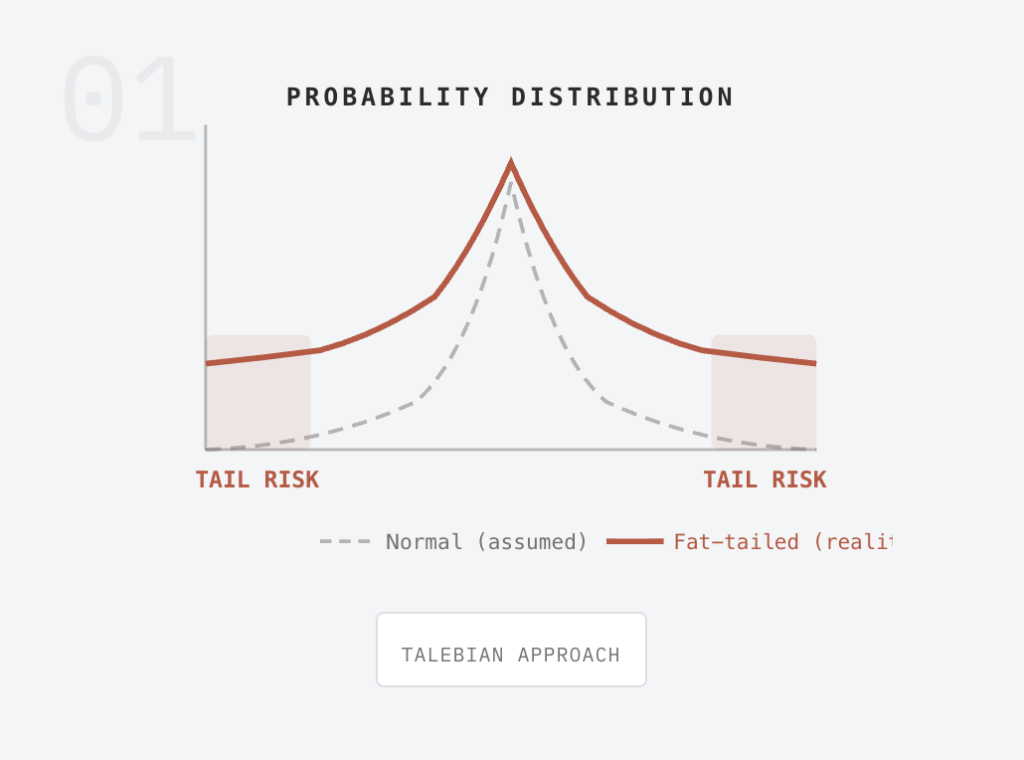
Survival > Variance
Preventing ruin, not smoothing rides
The Core Belief
Real markets do not behave like bell curves. Extreme events occur far more often than models predict.
In Practice
We focus on asymmetries. Preventing irreversible loss matters more than maximizing expected returns.
Principle 02
Uncertainty > Prediction
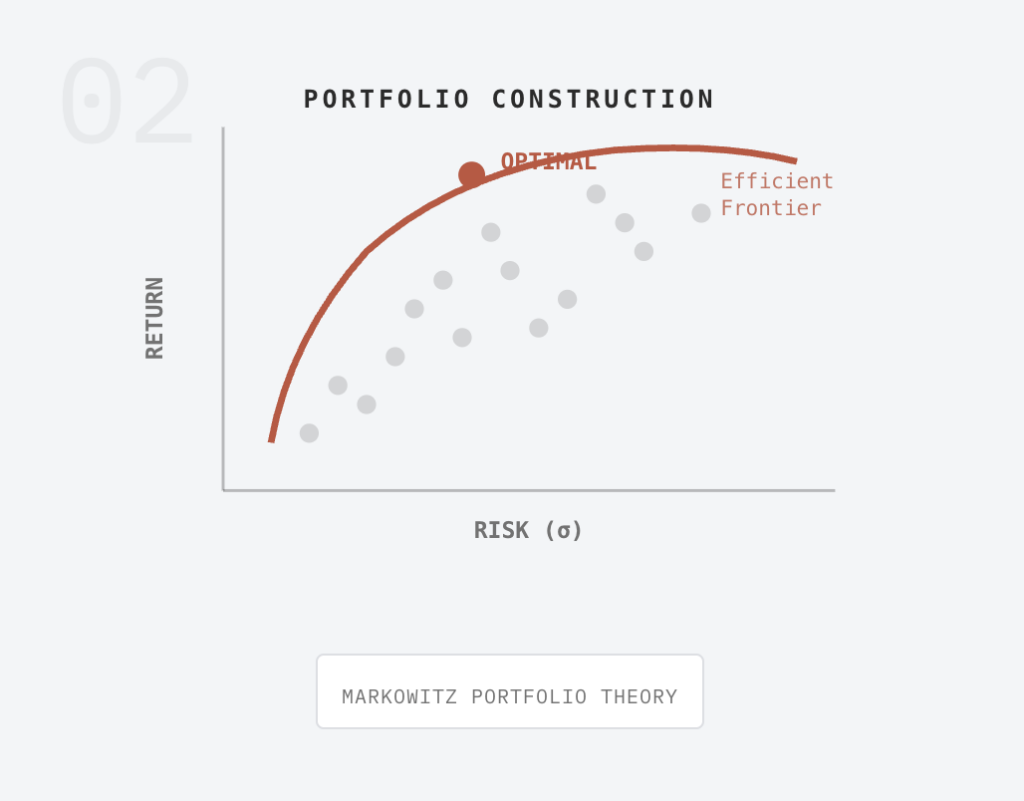
Engineering portfolios, not forecasting returns
The Core Belief
Individual asset returns are unknowable. Portfolio behaviour can be engineered through diversification and correlation control.
In Practice
We manage risk across drawdowns, skew, and correlation spikes—not just volatility.
Principle 03
Structural > Transitory
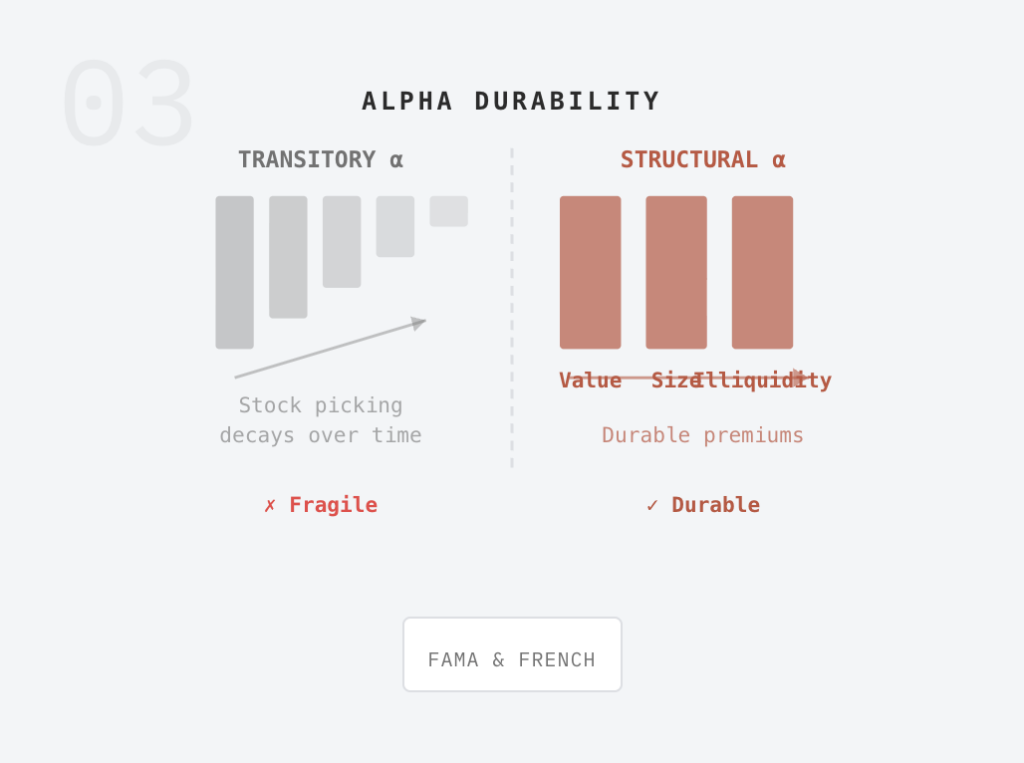
Durable premiums, not fragile alpha
The Core Belief
“Alpha” based on picking stocks is fragile. “Alpha” based on structural constraints is durable.
In Practice
We capture structural premiums—valuation gaps, illiquidity premium, private-to-public arbitrage.
Principle 04
Systems > Behavioral Biases
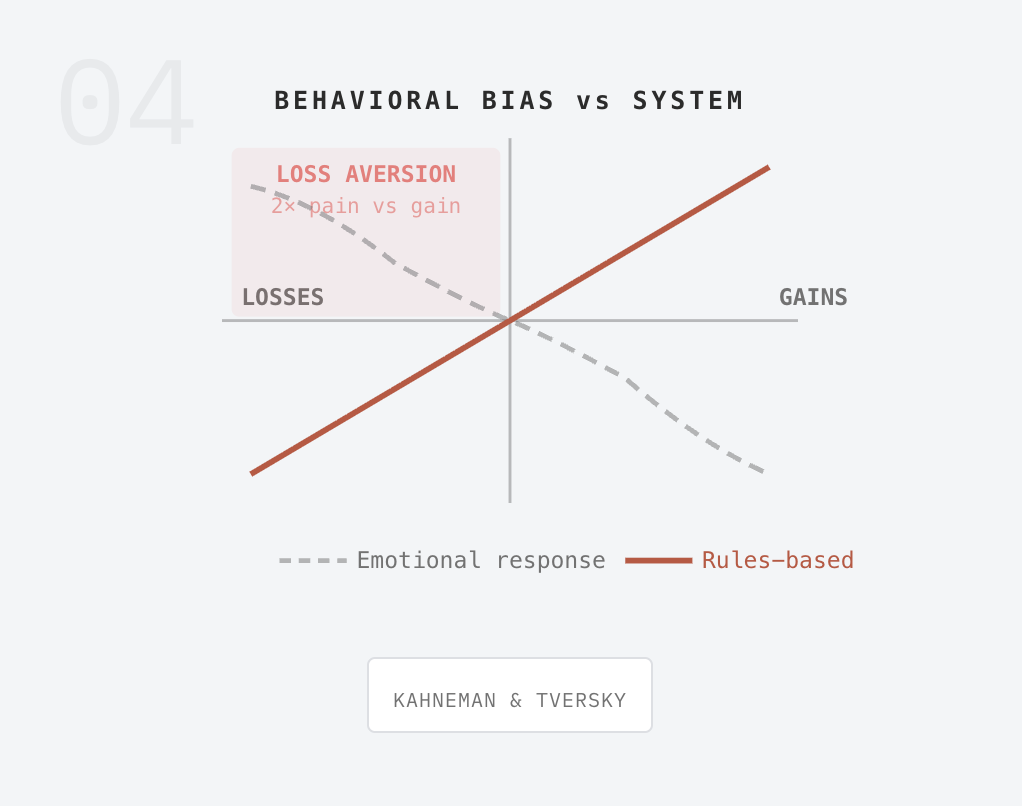
Rules-based execution shields against human error
The Core Belief
The investor is often the biggest risk to the portfolio. Humans are narrative-driven and prone to churn.
In Practice
Our Rules-Based Engine is a shield against human bias, protecting the compounding process.
These principles draw from decades of academic research.
Why We Distrust "Smooth" Returns
“In complex systems, stability is often the precursor to collapse.”
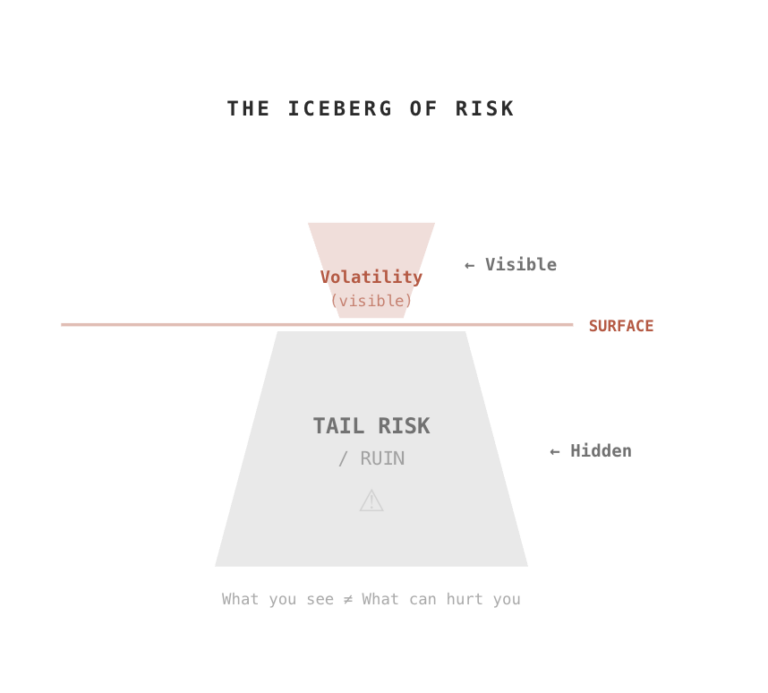
The Volatility Suppression Trap
When a manager suppresses small forest fires (volatility), they allow dry wood to accumulate—often resulting in a massive inferno (ruin).
Our Stance
Saphalata accepts Natural Volatility (small fires) to prevent Systemic Ruin (the inferno). We do not artificially smooth your returns.
“Standard funds chip away the visible tip (Volatility), causing the invisible mass (Ruin) to rise.”
The Graveyard of Optimization
History is littered with funds that had perfect Sharpe Ratios the day before they died.
LTCM
1998
The Pitch
Nobel Prize-winning founders. Sharpe Ratio > 4.0
The Flaw
Result
Infinity Q
2021
The Pitch
“Diversified Alpha” with smooth, low-volatility returns.
The Flaw
Valuation mismarking to hide volatility.
Result
Liquidation and SEC charges.
Option Selling Funds
2021
The Pitch
“Steady Income” from selling volatility.
The Flaw
Suppressed visible risk while tail risk grew.
Result
LTCM
1998
The Pitch
Nobel Prize-winning founders. Sharpe Ratio > 4.0
Result
$4.6 Billion loss in months. Ruin.
The Flaw
Infinity Q
2021
The Pitch
“Diversified Alpha” with smooth, low-volatility returns.
Result
Liquidation and SEC charges.
The Flaw
Valuation mismarking to hide volatility.
Option Selling Funds
2021
The Pitch
“Steady Income” from selling volatility.
Result
The Flaw
Suppressed visible risk while tail risk grew.
“If your portfolio growth line looks like a ruler, you are likely sitting on a keg of tail dynamite.”
Disclaimer: Illustrative historical examples used solely to explain structural risk, not to compare or predict outcomes.
Explore how these four principles translate into our systematic investment process.